



TD is a movement disorder that can develop in individuals who take certain medications, especially those used to treat mental health conditions, for an extended period. It manifests as involuntary and often repetitive movements in different parts of the body.
There are two FDA-approved brand-name drugs that can treat tardive dyskinesia: Ingrezza (valbenazine) and Austedo (deutetrabenazine). You can talk to your doctor about taking these treatments alongside your current mental health treatment.
While the exact cause of TD remains under investigation, research suggests a strong link between certain medications and its development. The risk of developing TD increases the longer a person takes these medications.
individuals taking specific antipsychotic medications may develop TD.1
symptoms can appear after starting these medications.2
Only a medical professional can diagnose TD. If you are noticing symptoms, speak with your provider about completing a TDScreen and discussing your results. Don’t start or stop medications or treatment plans without consulting your doctor first.
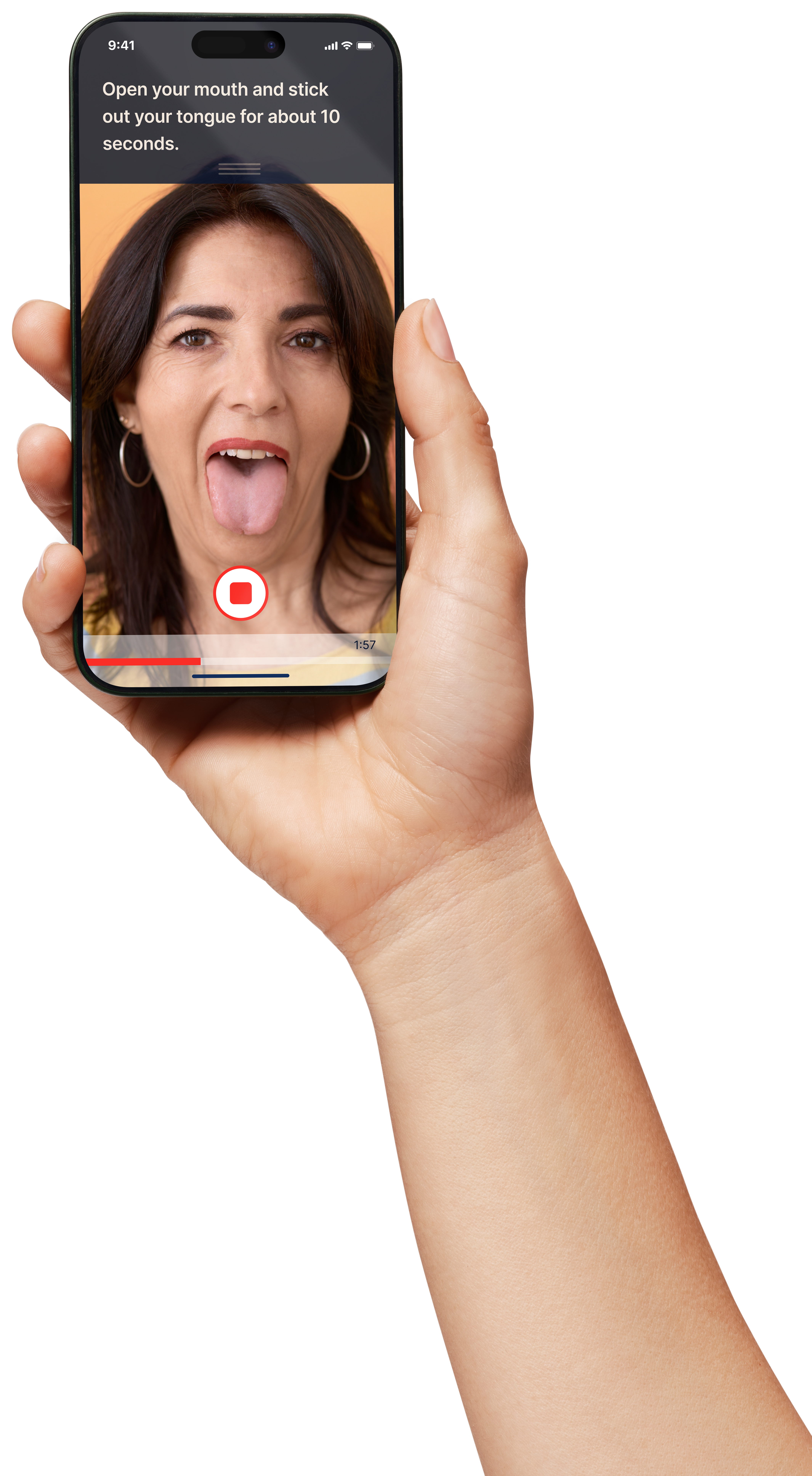
Refer My ProviderTDScreen is a clinically validated video assessment that looks for the same involuntary movements a doctor would look for during an in-person exam. In under 5 minutes, TDScreen estimates your potential risk for tardive dyskinesia. It is not a diagnosis, but it can help you understand whether further evaluation may be needed.
Yes. TDScreen is completely free for providers and patients to use. There are no hidden fees.
TDScreen is designed for people who are currently taking or have previously taken neuroleptic medications (also called antipsychotics). These are commonly prescribed to treat conditions like schizophrenia, bipolar disorder, and severe depression. If you’re unsure whether your medication qualifies, check with your prescriber.
To take a TDScreen, you’ll need a link from your healthcare provider or from a TDScreen advertisement.
No. TDScreen is a screening tool that estimates your potential risk for tardive dyskinesia. It is not a medical diagnosis. Only a licensed healthcare provider can diagnose TD. If your results suggest elevated risk, we recommend discussing them with your doctor.
All you need is a device with a front-facing camera (phone, tablet, or computer) and a few minutes in a well-lit, quiet space. No app download is required. TDScreen works directly in your browser.
After completing your TDScreen, your results are emailed directly to you. Your results will include an estimated risk level for tardive dyskinesia. TDScreen is a screening tool, not a diagnosis. If you have questions or concerns about your results, a healthcare professional is the best resource.
A high-risk result does not mean you have tardive dyskinesia. It means the screening detected movements that may warrant further evaluation. TDScreen is not a diagnostic tool, and many factors can influence your results. If you have concerns, a healthcare professional can provide a full clinical assessment.
If your provider enrolls you in TDScreen, your session is handled under HIPAA’s privacy and security rules. You’ll receive your results by email, and your provider can review the assessment in their secure clinical portal.
If you complete a TDScreen assessment on your own, your results are still private and emailed only to you. Like most websites, TDScreen sites use standard analytics and advertising tools (such as Google and Meta) that may record that you visited the page and completed a screening. These tools never see your video, your responses, or your results. You can review and manage your cookie preferences at any time.